

 English

Adsorption of activated carbon
Definition:
Activated carbon is made by activating carbon materials such as wood, coal and fruit shell under high temperature and oxygen deficiency. Activated carbon adsorption is a water treatment method that uses the physical adsorption, chemical adsorption, oxidation, catalytic oxidation and reduction of activated carbon to remove pollutants in water.
Preparation:
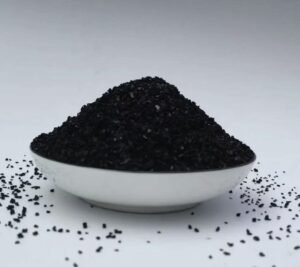
Activated carbon is produced by activating carbon-containing materials such as wood, coal, and fruit shells under high-temperature and oxygen-deficient conditions. It boasts an exceptionally large specific surface area (500-1700 m²/g). In water treatment applications, activated carbon is available in two forms: powdered and granular. Powdered carbon utilizes a suspension contact adsorption method, while granular carbon employs a filtration adsorption process. The activated carbon adsorption method is widely used for advanced treatment of water supply systems and secondary wastewater treatment effluent. Its primary advantage lies in achieving highly effective treatment efficiency.
Performance:
Activated carbon is produced from carbon-containing materials such as wood chips, fruit shells, and lignite through processes of carbonization and activation. It exists in two forms: powdered (particle size 10-50 μm) and granular (particle size 0.4-2.4 mm). Characterized by its porous structure and large specific surface area, it boasts a total surface area of 500-1000 ㎡g/cm². Key performance parameters include adsorption capacity and adsorption rate. Adsorption capacity refers to the amount of dissolved substances that activated carbon can absorb per unit weight when saturated, which depends on raw materials, manufacturing processes, and regeneration methods. Higher adsorption capacity means more efficient utilization of activated carbon.
Applications of Activated Carbon in Water Treatment:
Initially developed for odor removal in domestic water systems, activated carbon proves particularly effective for treating swamp water with earthy odors and lake/pond water containing algae-induced malodors. This solution is typically applied only when odor issues emerge. Powdered activated carbon is commonly used, directly injected into coagulation sedimentation tanks or aeration ponds, where it is discharged with sludge as a non-recyclable byproduct. The material effectively removes odor-causing substances and organic compounds from water, including phenol, benzene, chlorine, pesticides, detergents, and trihalomethanes.
Additionally, activated carbon demonstrates adsorption capabilities for various ions including silver, cadmium, chromate, cyanide, antimony, arsenic, bismuth, tin, mercury, lead, and nickel. In water treatment plants, this method serves as a crucial component in improving water quality. The system employs granular activated carbon filter beds, which function similarly to conventional rapid filters. Regular backwashing is required during operation to remove suspended particles from the carbon layer and prevent excessive head loss (overfiltration). Activated carbon filter beds can also utilize fluidized beds or moving beds. Unlike rapid filters where water flows downward, fluidized beds maintain upward flow. The elevated flow velocity in fluidized beds causes carbon layer expansion, reducing clogging risks. In moving beds, spent carbon is continuously discharged from the bottom while fresh carbon is replenished from the top.
Physical Adsorption:
Physical adsorption refers to the phenomenon where adsorbents and solutes (adsorbates) interact through molecular forces. This is the most common type of adsorption, characterized by the adsorbed molecules not adhering to fixed points on the adsorbent surface but being able to move freely across the interface. Since molecular forces are responsible for adsorption, it requires minimal heat and no activation energy, allowing it to occur at low temperatures. This reversible process involves desorption when the adsorbed molecules gradually detach from the solid surface due to thermal motion. Physical adsorption can form single-molecule or multi-molecule layers. As intermolecular forces are universal, a single adsorbent can adsorb multiple substances, though the amount varies depending on the solute’s properties. The effectiveness of this adsorption mechanism is closely related to the adsorbent’s surface area and pore distribution.
Chemical Adsorption:
The interaction between adsorbents and adsorbates (solutes) occurs through chemical bonds that trigger reactions, forming a strong bond between them. Since chemical reactions require significant activation energy, they typically occur at higher temperatures, resulting in substantial heat of adsorption. Chemical adsorption is a selective process where an adsorbent specifically binds to one or a few specific substances. As this mechanism relies on direct chemical bonding between the adsorbent and adsorbate, it forms stable monolayers with minimal desorption resistance. The stability of such adsorption depends directly on both the adsorbent’s surface chemistry and the adsorbate’s chemical properties.
Exchange Adsorption:
During the adsorption process, ions of a substance aggregate at the charged points on the surface of an adsorbent through electrostatic attraction. This interaction involves an equal exchange of ions: for every ion of the adsorbate (solute) adsorbed, the adsorbent simultaneously releases an equivalent number of ions. The charge of these ions determines the strength of the adsorption force. When the concentration of the adsorbate is uniform, ions carrying more charge exert stronger attraction at the counter-charge points on the adsorbent’s surface. For ions with identical charges, those with smaller hydration radii can approach the adsorption point more closely, thereby enhancing the adsorption efficiency.
Physical adsorption, chemical adsorption and anion exchange adsorption often exist together. In the process of water treatment by activated carbon adsorption, the combined effect of the three adsorption is used to achieve the purpose of removing pollutants. For different adsorbed substances, the effects of the three adsorption are different.
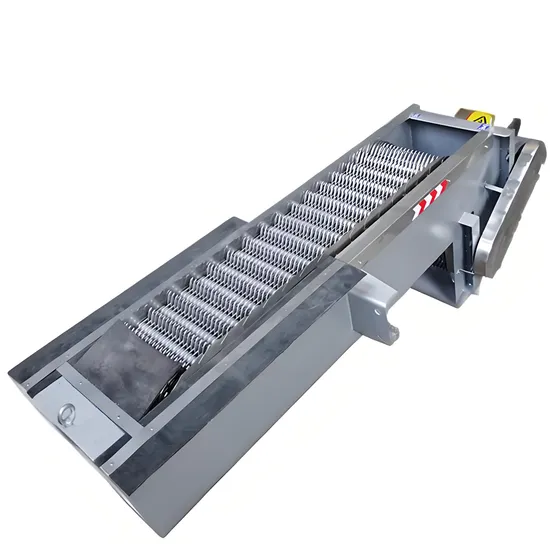
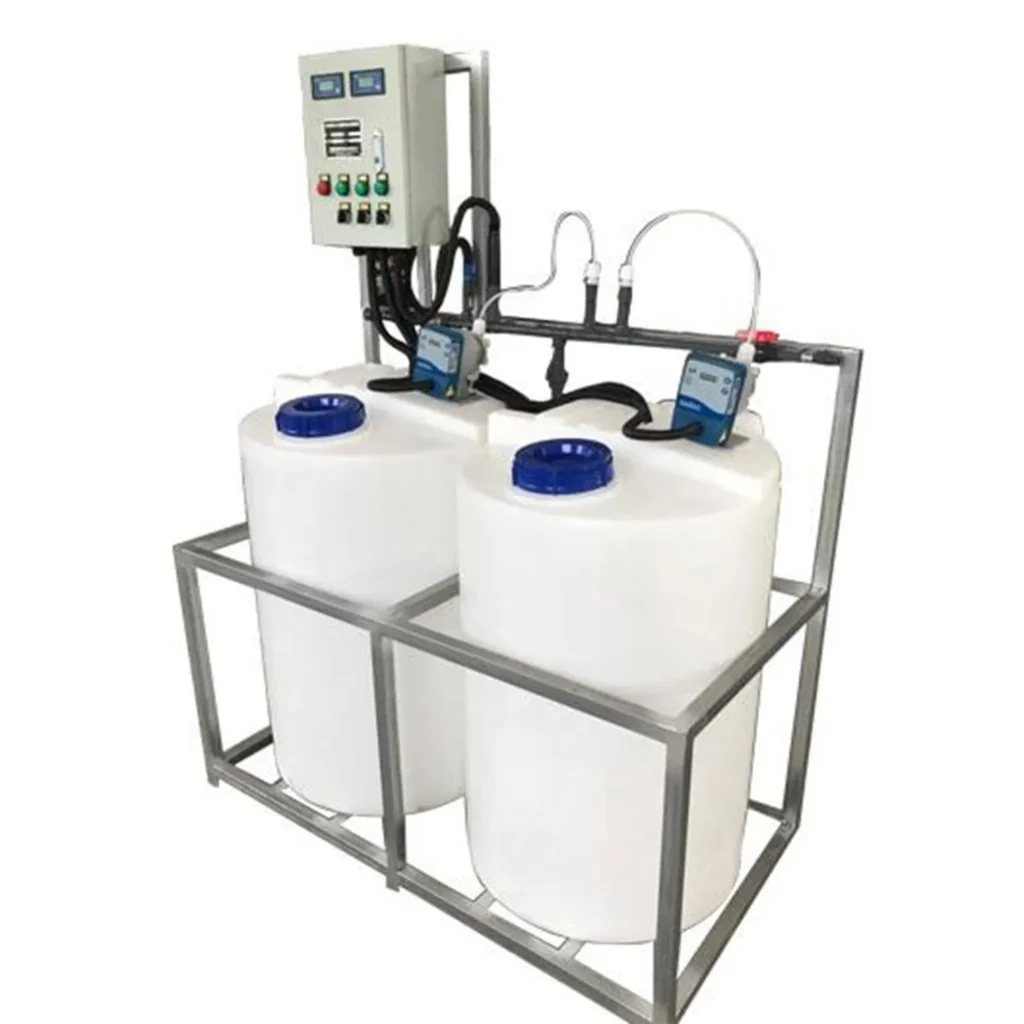
Our company provides high quality and stable products, including reverse osmosis system, sludge dewatering machine, mechanical grille, dosing device, electrical control cabinet, etc., our professionals will provide you with installation, commissioning, operation, and follow-up maintenance services to help you solve problems!


For inquiries about our products or pricelist, please leave to us and we will be in touch within 24 hours.
Yixing Shenghe Environmental Protection Co., Ltd.

IPv6 network supported


 +8617396866112