

 English

Dewatered Meaning
Dehydration plays a vital role in water treatment, particularly in sludge processing. Simply put, its core purpose is to drastically reduce the volume and weight of waste residue or sludge. This significantly lowers costs for subsequent transportation, treatment, and disposal while enabling easier resource recovery or safe disposal.
The significance of this is elaborated from the following aspects:
I. The necessity of sludge dewatering treatment:
1. Sludge Volume Reduction: During wastewater treatment, substantial amounts of sludge containing high moisture content and organic matter are generated. Without proper dewatering processes, this sludge would become excessively bulky, creating significant challenges for transportation, storage, and subsequent treatment. Through dewatering technology, the moisture content in sludge can be effectively removed, reducing its volume and simplifying subsequent processing procedures.
2. Enhancing Sludge Stability Untreated sludge typically has a loose structure that makes it prone to rotting and decomposition, releasing foul odors and harmful substances. In contrast, dehydrated sludge develops a more compact structure with enhanced stability, significantly reducing the risk of decay and secondary pollution.
3. Enhanced Processability Dehydrated sludge, with its significantly reduced moisture content, becomes more suitable for subsequent treatment and disposal. For example, it can be utilized in resource recovery processes like fertilizer production and construction material manufacturing, or undergo environmentally safe methods such as incineration or landfilling. These approaches not only minimize environmental pollution but also enable the sustainable reuse of waste materials.
II. Dewatered Meaning:
1. Economic Significance: Significant Reduction in Transportation and Disposal Costs This represents the most direct and crucial benefit of sludge dewatering. Volume Reduction: The process reduces sludge moisture content from over 99% to 60%-80%, shrinking its volume to one-tenth or even one-twentieth of the original. Cost Savings: Transportation and disposal costs are typically calculated per ton. The dramatic reduction in both volume and weight decreases the number of transport trips, energy consumption, landfill space usage (if applicable), and fuel consumption for incineration (if required), thereby substantially cutting overall treatment costs.
2. Operational Significance: Optimizing Processing Conditions for Enhanced Subsequent Treatment. Dewatering serves as a critical preliminary step in multiple final disposal methods. Preparing for Incineration: Sludge with excessively high moisture content exhibits extremely low calorific value, often requiring substantial additional fuel consumption. Dewatering significantly improves thermal efficiency, enabling more efficient incineration and even self-sustaining combustion. Preparing for Composting: Proper composting requires optimal carbon-to-nitrogen ratios and moisture control. High moisture levels create anaerobic conditions and odor issues in composting piles. Dehydrated sludge maintains ideal moisture levels for aerobic microbial fermentation, enhancing both composting efficiency and product quality. Preparing for Sanitary Landfilling: Sludge with excessive moisture cannot be properly compacted during landfill operations, increasing risks of landslides and clogged leachate collection systems. Standard landfill requirements mandate moisture content below 60%. Dewatering effectively meets these operational standards for secure disposal.
3. Environmental and Safety Significance: Reduces pollution risks and promotes resource utilization. Minimizes secondary pollution: High-moisture sludge is prone to leachate formation during transportation and storage. This highly concentrated liquid pollutant can severely contaminate soil and groundwater if leaked. Dewatering significantly reduces leachate generation risks. Eliminates odors: Lowered moisture content inhibits anaerobic bacterial activity, reducing foul gas emissions and improving both working conditions and surrounding environments. Facilitates resource recovery: Dewatered sludge cakes become more suitable as raw materials for land applications (e.g., landscaping, soil amendments) or construction materials (e.g., brick production, clay pellets), creating opportunities for “turning waste into treasure” and advancing circular economy practices.
4. Legal and Compliance Significance: Meeting Regulatory Requirements Environmental regulations in many countries and regions have clear mandatory requirements on moisture content for the transportation and final disposal (particularly landfill) of solid waste. Effective dewatering treatment is a necessary step to comply with these regulations and avoid legal risks.
III. Methods of sludge dewatering treatment:
1. Natural Dewatering Natural dewatering is a simple method suitable for sludge with low moisture content. This technique uses gravity to naturally drain water from the sludge. However, it requires longer processing times and lower efficiency, making it unsuitable for large-scale wastewater treatment plants.
2. Mechanical dewatering is a common dewatering method, which uses filter presses, centrifuges and other equipment to squeeze or centrifuge sludge, so that water is separated from sludge. Mechanical dewatering has high efficiency and is suitable for large-scale sewage treatment plants.
3. Thermal drying is a method of heating and drying sludge by using heat energy. The high temperature causes the water in sludge to evaporate rapidly, thus achieving dehydration. Thermal drying is highly efficient and occupies a small area, but it requires a large amount of energy consumption.
IV. Practical application of sludge dewatering treatment:
1. Urban Sewage Treatment Plants As a primary facility for sludge dewatering, urban sewage treatment plants generate substantial amounts of activated sludge and excess sludge during wastewater processing. These sludge materials require dewatering treatment to facilitate subsequent disposal and reuse. Utilizing equipment such as filter presses and centrifuges for sludge dewatering effectively reduces the volume and moisture content of sludge, thereby enhancing its stability and reusability.
2. Industrial Wastewater Treatment The industrial wastewater treatment process generates substantial amounts of sludge. This sludge contains significant quantities of organic matter and harmful substances such as heavy metals, requiring dewatering treatment to reduce environmental pollution. By employing methods like thermal drying for sludge processing, harmful substances can be effectively removed while enhancing its stability and usability. Additionally, the recovered thermal energy can be utilized for heating, power generation, and other energy applications.
3. Agricultural Waste Management Livestock manure, crop straw, and similar agricultural byproducts are major environmental pollutants in rural areas. During waste treatment, dehydration processes are essential to reduce their volume and moisture content. Utilizing equipment like filter presses enables effective removal of water and organic matter, significantly improving their usability. These processed materials can also be transformed into organic fertilizers for agricultural production.
V. Conclusion:
Sludge dewatering plays a vital role in wastewater management. This process not only reduces sludge volume, enhances stability, and simplifies subsequent treatment and disposal, but also enables thermal energy recovery for sustainable resource utilization. Furthermore, it converts waste into organic fertilizers for agricultural use. Therefore, we should actively promote sludge dewatering technology to advance wastewater management and achieve environmental protection goals.
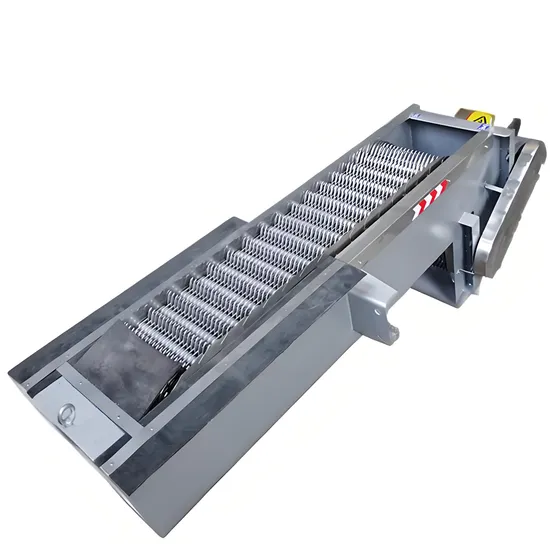
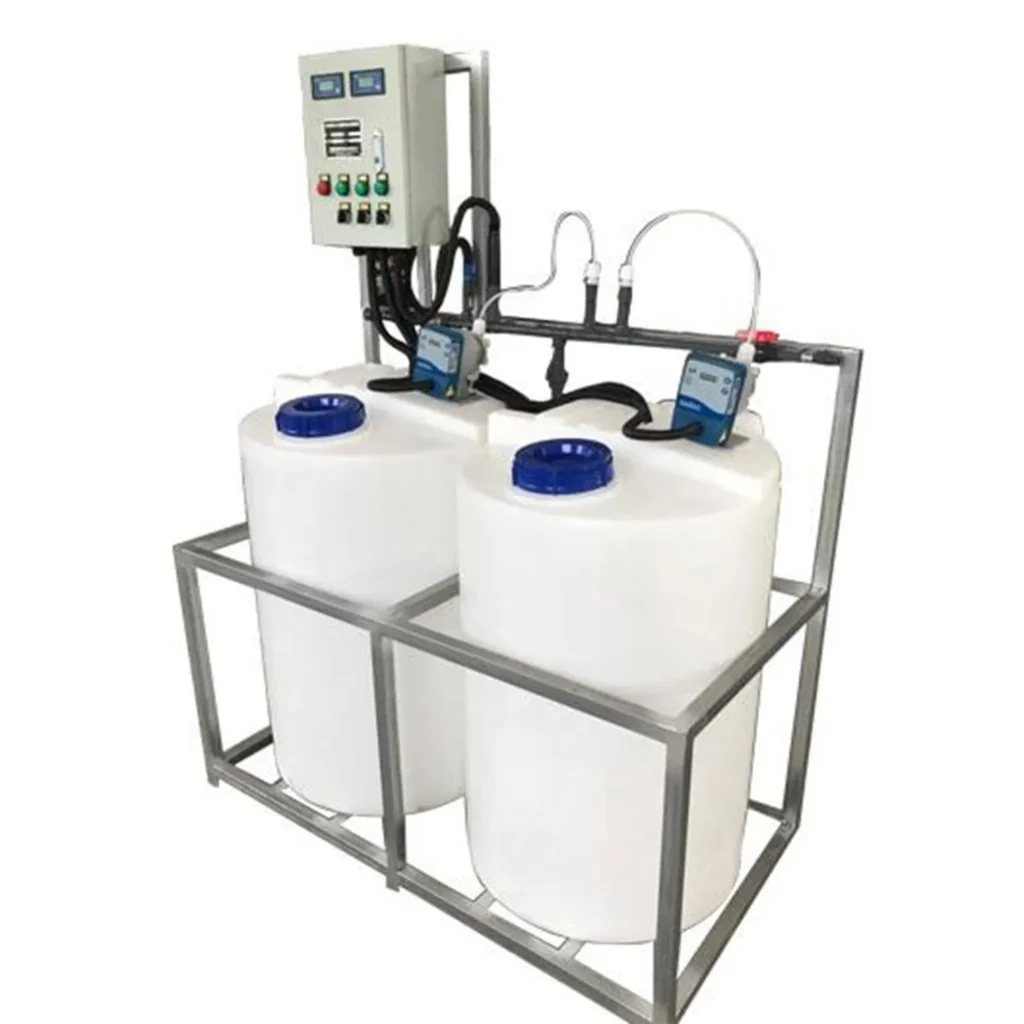
Our company provides high quality and stable products, including reverse osmosis system, sludge dewatering machine, mechanical grille, dosing device, electrical control cabinet, etc., our professionals will provide you with installation, commissioning, operation, and follow-up maintenance services to help you solve problems!


For inquiries about our products or pricelist, please leave to us and we will be in touch within 24 hours.
Yixing Shenghe Environmental Protection Co., Ltd.

IPv6 network supported


 +8617396866112