

 English

Reverse Osmosis Vs Osmosis
Reverse osmosis vs osmosis. Let’s explain the difference in detail!
Before we can understand the difference, we must first understand two basic concepts.
Semipermeable membrane: A membrane that allows only certain substances (usually water molecules) to pass through and blocks others (such as salt, sugar and other solutes). The cell membrane is a typical semi-permeable membrane.
Osmotic pressure: When the solution concentration on both sides of the semi-permeable membrane is different, water molecules will spontaneously flow from the low concentration solution (pure water or dilute solution) to the high concentration solution (concentrated solution). This “pressure” that promotes water flow is osmotic pressure, which can be understood as the ability of concentrated solution to “attract” water molecules.
1.Osmosis
• Definition: The phenomenon of water molecules flowing spontaneously from the low concentration solution (or pure water) region to the high concentration solution region through a semi-permeable membrane.
• Driving force: Natural, driven by a concentration difference (i.e., osmotic pressure). No external energy is required.
• Objective: To try to balance the concentration of the solution on both sides of the membrane until the concentration on both sides is equal and water molecules enter and exit to achieve dynamic equilibrium.
• Examples:
Root Water Absorption: When soil moisture exceeds the concentration of root capillary cell sap, water seeps into plant roots through osmosis.
Vegetable Watering: Applying salt causes external salt concentration to far exceed internal levels, forcing water out of cells and resulting in softening and dehydration.
Red Blood Cells in Saline Solution: Placing red blood cells in 0.9% saline solution maintains equal concentration across cell membranes, ensuring water balance and normal cellular structure.
2.Reverse osmosis
• Definition: The process of applying an external pressure greater than its own osmotic pressure to one side of a high concentration solution, forcing water molecules to flow in the reverse direction, from the high concentration solution to the low concentration solution (or pure water).
• Driving force: External pressure such as a high-pressure water pump. This process consumes energy.
• Objective: To separate water from the solute (such as salt, impurities) to obtain pure water.
• Examples:
Household/commercial water purifier: the most common application. Tap water (containing various impurities, “concentrated solution”) is pressurized on one side to force pure water through the RO membrane, while bacteria, viruses, heavy metals, salts and other are retained and discharged with the wastewater.
Seawater desalination: Apply great pressure to seawater so that fresh water passes through the reverse osmosis membrane, thus obtaining drinkable fresh water.
Industrial wastewater treatment: recycling water resources.
Therefore, osmosis occurs naturally, while reverse osmosis requires an external force to drive it, and the two directions are opposite.
Hopefully this article will help you understand the difference between osmosis and reverse osmosis!
Previous :
Types Of Aeration In Water TreatmentNext :
Sludge Belt Press Operation
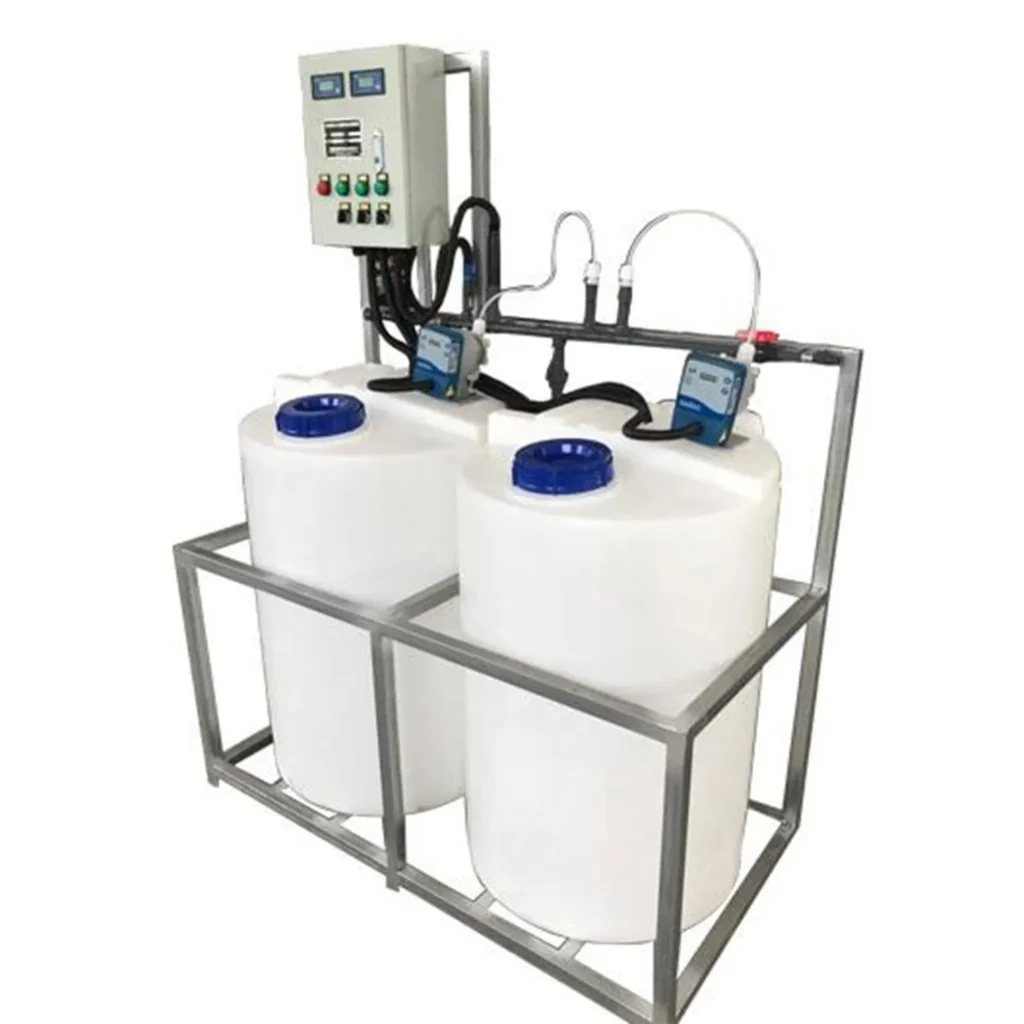
Our company provides high quality and stable products, including reverse osmosis system, sludge dewatering machine, mechanical grille, dosing device, electrical control cabinet, etc., our professionals will provide you with installation, commissioning, operation, and follow-up maintenance services to help you solve problems!


For inquiries about our products or pricelist, please leave to us and we will be in touch within 24 hours.
Yixing Shenghe Environmental Protection Co., Ltd.

IPv6 network supported


 +8617396866112