

 English

How to treat rainwater for drinking
How to treat rainwater for drinking? Rainwater treatment for drinking water is a viable solution, particularly in regions facing water scarcity or pursuing sustainable development. However, untreated rainwater is absolutely unsafe for direct consumption as it may contain airborne pollutants, chemicals from roofing materials, bird droppings, insects, dust, and microorganisms.
To transform rainwater into safe and reliable drinking water, a systematic process of collection, treatment, and disinfection is required. Below are detailed steps and precautions:
Step 1: Collect the system. This is the foundation of the whole process, and a good collection system can reduce the burden of subsequent processing.
1. Water collection surface: Roofing is typically used. Ideal roofing materials are metal, ceramic tiles, or food-grade coated materials. Avoid roofing materials containing asbestos, lead, or asphalt, as these substances may release harmful substances.
2. Diversion system: that is, the eaves downpipe.
3. Initial runoff control device: This is a crucial step. The device automatically drains the first 10-20 minutes of rainwater, which washes away most pollutants (dust, bird droppings, etc.) from the water collection surface. Discarding this water greatly improves the quality of subsequent rainwater collection.
4. Water storage tank (tank): used for storing rainwater.
Material: Use food-grade, opaque, UV-resistant materials such as polyethylene, fiberglass or concrete. The opacity prevents algae growth.
Sealing: The tank must be completely sealed to prevent mosquitoes, dust and sunlight from entering, but ventilation holes (covered with insect-proof nets) should be installed to balance the air pressure.
Maintenance: Check and clean the tank regularly.
Step 2: Pre-treatment. The rainwater is preliminarily filtered before entering the storage tank or the fine treatment system.
Screen/film filter: Install stainless steel or plastic filter screen at the inlet of the downpipe to filter out leaves, branches, silt and other large particles.
Step 3: Fine processing and disinfection. This is the key to turning rainwater into drinking water, usually requires multi-stage treatment, recommended to be used in combination.
1. Multi-stage filtration and sedimentation: When properly designed, the tank allows heavier particles to settle naturally at the bottom. The outlet should be positioned at a certain height above the tank bottom to prevent sediment from being sucked in.
Activated carbon filter: effectively removes odors, color, chlorine (if used), and some organic chemical pollutants and heavy metals from water. This is an important step in improving water taste and safety.
Filter: usually a filter element of 1-5 microns, can filter out fine particles, silt, rust and so on in the water.
2. Deep purification and disinfection. This is the core to ensure drinking water safety and prevent diseases. At least one of the following methods should be used, and it is strongly recommended to use them in combination:
• Boil method: Bring water to a boil for at least 1 minute (boil longer in high altitude areas).
Advantages: It can effectively kill almost all bacteria, viruses and parasites. The method is simple and low cost.
Disadvantages: It consumes energy and time, cannot remove chemical pollutants, and the taste of water may be poor (reduced dissolved oxygen).
• Ultraviolet disinfection method: Let the water flow through a chamber containing a UV lamp tube. Ultraviolet light can destroy the DNA of microorganisms and make them unable to reproduce.
Advantages: Instant disinfection, no chemical additives, no change in the taste and chemical properties of water.
Disadvantages: The premise is that the water must be clear. If there are suspended particles in the water, it will provide a “protective umbrella” for microorganisms and reduce the disinfection effect. Therefore, it is necessary to carry out sufficient pre-filtering before ultraviolet disinfection. At the same time, electricity is required and the lamp tube needs to be replaced regularly.
• Reverse osmosis system method: Under pressure, water passes through an extremely fine RO membrane (hole size about 0.0001 micron), which removes almost all impurities, including bacteria, viruses, heavy metals, salts and most chemical contaminants.
Advantages: Provide the highest level of purification effect, water purity is very high.
Disadvantages: It produces waste water, the system requires water pressure and electricity to operate, maintenance costs are high, and it removes beneficial minerals from the water.
• Chemical disinfection chlorine disinfection: Add a specific concentration of chlorine-containing disinfectant (such as bleaching tablets or liquid sodium hypochlorite) and maintain sufficient contact time (usually more than 30 minutes).
Iodine disinfection: It can also be used, but it is not as common as chlorine, and some people are not suitable for drinking iodine treated water (e.g., pregnant women, thyroid disease patients).
Advantages: low cost, can provide continuous disinfection protection (residual chlorine effect), prevent secondary contamination of water in storage.
Disadvantages: It may produce by-products, which affect the taste of water, and the dosage needs to be controlled precisely.

A reliable and complete household rainwater drinking treatment system can be configured as follows:
Rainwater collection roof → Initial flow diversion device → Screen filter → Water storage tank → Sedimentation → Pump → Granular activated carbon filter → 1-micron precision filter → UV sterilizer/Reverse Osmosis system → Drinking water faucet.
Or a simpler emergency solution: collect rainwater → preliminary filtration by multi-layer cloth → boil → drink safely.
Important Notes and Maintenance:
1. Water quality testing: If you plan to rely on rainwater as a drinking water source for a long time, it is strongly recommended to send water samples to professional laboratories for regular testing to ensure that they meet drinking water standards (especially the detection of E. coli, heavy metals and pH).
2. Maintenance is key: Clean the roof, downspouts, water tank and all filters regularly. Replace filter elements and UV lamps as needed. A poorly maintained system itself can become a source of pollution.
3. Know your local environment: If you live in an industrial or heavily polluted area, rainwater may contain higher concentrations of harmful chemicals, making treatment more difficult and costly.
4. Laws and regulations: In some areas, rainwater collection may be subject to legal restrictions. Please check local regulations in advance.
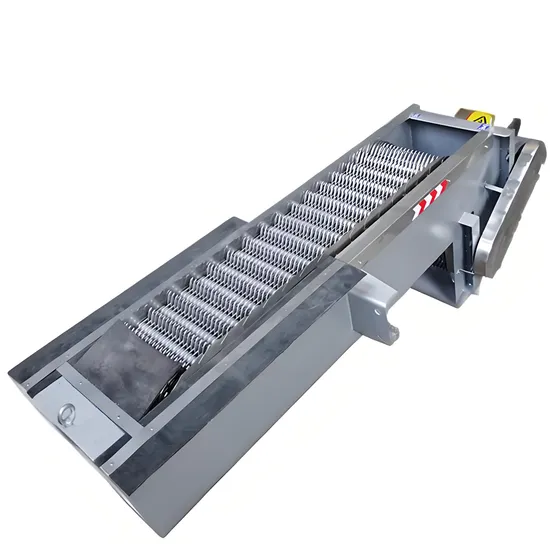
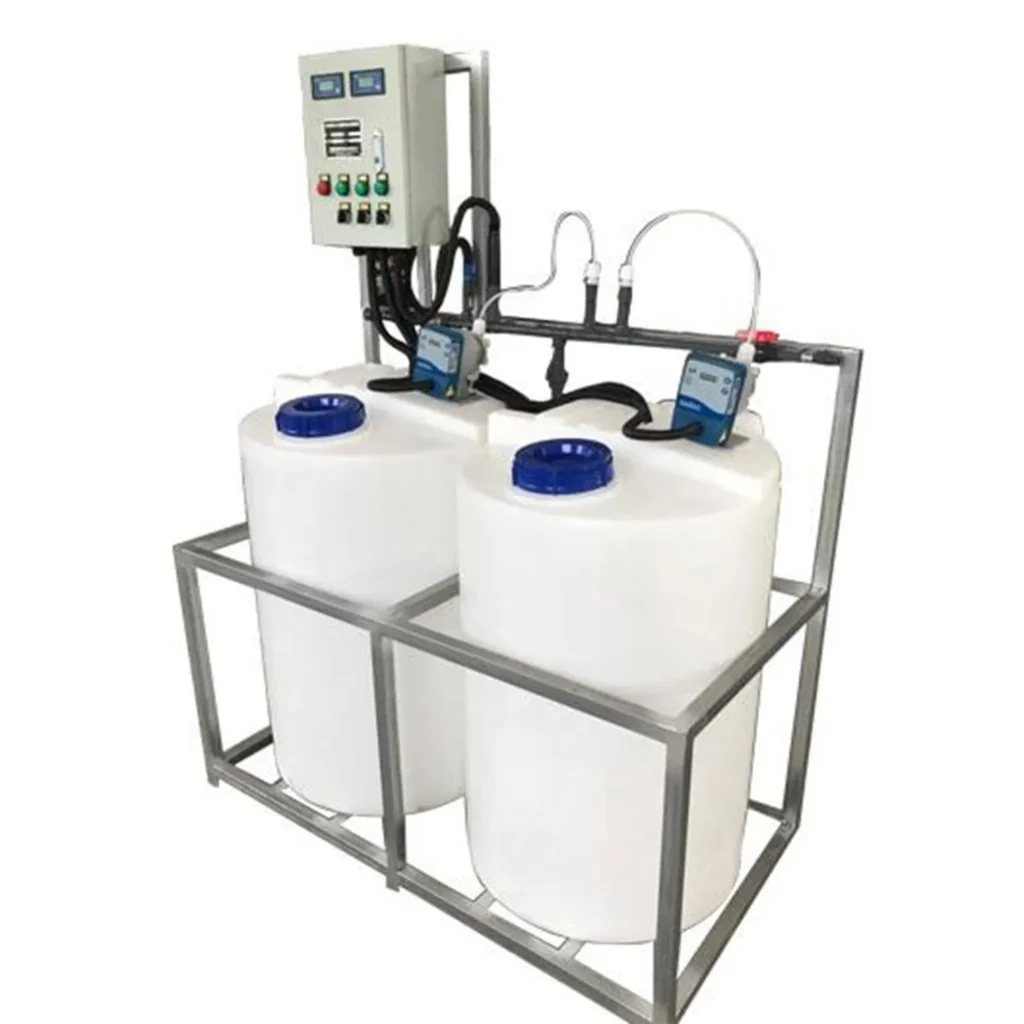
Our company provides high quality and stable products, including reverse osmosis system, sludge dewatering machine, mechanical grille, dosing device, electrical control cabinet, etc., our professionals will provide you with installation, commissioning, operation, and follow-up maintenance services to help you solve problems!


For inquiries about our products or pricelist, please leave to us and we will be in touch within 24 hours.
Yixing Shenghe Environmental Protection Co., Ltd.

IPv6 network supported


 +8617396866112