

 English

Top 5 Applications of Screw Press Dewatering Across Different Industries
Sludge management is a universal challenge, but not all sludge is created equal. From organic-rich brewery residues to chemical-laden industrial slurries, each industry requires a dewatering solution that can handle unique characteristics such as oil, fiber, high ash content, or corrosive components. This is where Screw Press Dewatering technology shines.
Unlike centrifuges or belt presses that often struggle with clogging or high energy consumption, the Screw Press Dewatering machine offers a slow-speed, self-cleaning, and highly adaptable design. At Shenghe, we have supplied Screw Press Dewatering systems to thousands of facilities worldwide. Below, we explore five key industries where this technology delivers exceptional results, backed by real-world application examples.
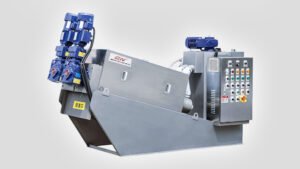
Municipal sludge is the most common application for Screw Press Dewatering. After primary and secondary treatment, wastewater plants generate huge volumes of biological sludge (activated sludge) mixed with primary solids. This sludge is typically thin (1–3% solids) and must be thickened and dewatered before disposal or incineration.
Why Screw Press Dewatering works: The self-cleaning ring stack handles the sticky, fine-particle nature of biological sludge without clogging. Low-speed operation minimizes polymer usage and energy costs – critical for 24/7 municipal plants operating on tight budgets.
Case example – City of Xuzhou, China: A municipal plant processing 30,000 m³/day of wastewater installed two Screw Press Dewatering units from Shenghe. The feed sludge was 2.5% solids. After dewatering, the cake solids reached 22–25%, and the filtrate was clear with low suspended solids. Compared to their old belt presses, energy consumption dropped by 60%, and operator intervention was reduced from daily cleaning to weekly inspection. The plant saved over $40,000 per year in electricity and maintenance.
Breweries generate large amounts of spent grain, yeast slurry, and waste activated sludge from their on-site treatment systems. This sludge is high in organic matter, fibrous, and can be oily. Traditional dewatering equipment often suffers from clogged screens due to the fibrous grains and yeast stickiness.
Why Screw Press Dewatering works: The moving rings continuously scrape the fixed rings, ensuring that fibers and sticky yeast pass through without blinding the gaps. The slow rotation also prevents shearing of flocs, producing a clean effluent that can be safely discharged.
Case example – Craft Brewery in Oregon, USA: A mid-sized craft brewery producing 50,000 barrels per year used a Screw Press Dewatering machine to dewater their spent yeast and excess sludge. The feed solids were 3–4%. The Screw Press Dewatering system achieved 28% cake solids, reducing hauling volume by nearly 80%. The brewery now sends the dewatered cake to an anaerobic digester for biogas recovery, turning waste into revenue. The equipment runs silently inside the brewhouse without disturbing tours or neighbors.
Livestock farms – dairy, swine, and poultry – produce liquid manure that is difficult to store and transport. Many farms have added anaerobic digesters to produce biogas, but the digestate remains a watery slurry (2–6% solids). Land application of raw slurry is limited by nutrient regulations, and trucking costs are high.
Why Screw Press Dewatering works: Manure contains sand, hair, straw, and other fibrous materials that quickly clog belt presses and damage centrifuges. The Screw Press Dewatering machine’s open, clog-free design handles high-fiber content with ease. The pressed solids produce a stackable, low-odor cake suitable for composting or bedding.
Case example – Dairy farm in the Netherlands: A 1,200-cow dairy farm installed a Screw Press Dewatering system to separate digested manure. The feed was 5% total solids. The machine produced a cake of 32% solids – dry enough to pile and compost. The liquid fraction, containing most of the nitrogen and potassium, was used as liquid fertilizer via irrigation. The farmer reduced manure storage volume by 65% and saved €25,000 annually in transport costs. The low noise and lack of wash water also made the system easy to install next to the barn.
The pulp and paper industry generates large flows of primary sludge (fibers, fillers) and secondary biological sludge. These sludges are often high in cellulose fibers, which can be recovered or dewatered for incineration in biomass boilers. Paper mills also struggle with high water consumption and stringent discharge permits.
Why Screw Press Dewatering works: The Screw Press Dewatering machine gently presses fibrous sludge without damaging the fibers, allowing for higher recovery rates. The self-cleaning rings prevent clogging from long fibers. Many mills use the dewatered cake as fuel, so achieving 35–45% solids is a major advantage.
Case example – Paper mill in Shandong, China: A recycled paper mill producing 200 tons/day of paper had a mixed sludge (primary fibers + biological sludge) at 2% solids. After installing a Screw Press Dewatering unit from Shenghe, the cake solids reached 38–42%. The mill now feeds this cake into a biomass boiler, generating steam that offsets natural gas consumption. The payback period for the Screw Press Dewatering investment was less than 10 months, thanks to fuel savings and reduced landfill fees.
Chemical plants produce hazardous sludge containing oils, heavy metals, or synthetic organic compounds. The sludge is often difficult to filter because of its sticky, oily, and sometimes corrosive nature. Dewatering is essential before incineration or secure landfill disposal. Regulatory requirements demand high cake solids to minimize disposal weight and leaching risk.
Why Screw Press Dewatering works: The Screw Press Dewatering machine is constructed with stainless steel (304 or 316) to resist corrosion. The low-speed operation does not emulsify oil-in-water mixtures, unlike a centrifuge. The absence of filter belts or fine screens means oily sludge does not blind the equipment. The back pressure plate can be adjusted to achieve very high solids even with challenging chemical sludges.
Case example – Specialty chemical plant in Germany: The plant produced a metal hydroxide sludge from wastewater neutralization. The sludge had 3% solids and contained residual oil. A centrifuge failed frequently due to vibration and oil fouling. They replaced it with a Screw Press Dewatering system from Shenghe. The new unit produced 30% cake solids with no clogging or excessive wear. The closed design prevented odors and spills. The plant reduced hazardous waste disposal volume by 70%, saving €150,000 per year.
Across all five industries – municipal, brewery, agriculture, paper, and chemical – Screw Press Dewatering technology consistently outperforms other methods in reliability, energy efficiency, and ease of operation. At Shenghe, we provide customized Screw Press Dewatering solutions tailored to your specific sludge type, flow rate, and dryness goals.
Our machines feature:
Self-cleaning multi-disc design (no clogging)
Low-speed, energy-saving motor (down to 1.5 kW)
304/316 stainless steel construction (corrosion resistant)
Adjustable back pressure plate for optimal cake solids
Compact footprint for easy retrofitting
No matter your industry, Screw Press Dewatering can reduce your disposal costs, lower your energy bills, and simplify your operations. Visit jsshenho.com to request a free sludge analysis or ask for a customized quote. Our engineers will help you select the right Screw Press Dewatering model based on real-world case data. Contact Shenghe today and take the first step toward smarter sludge management.
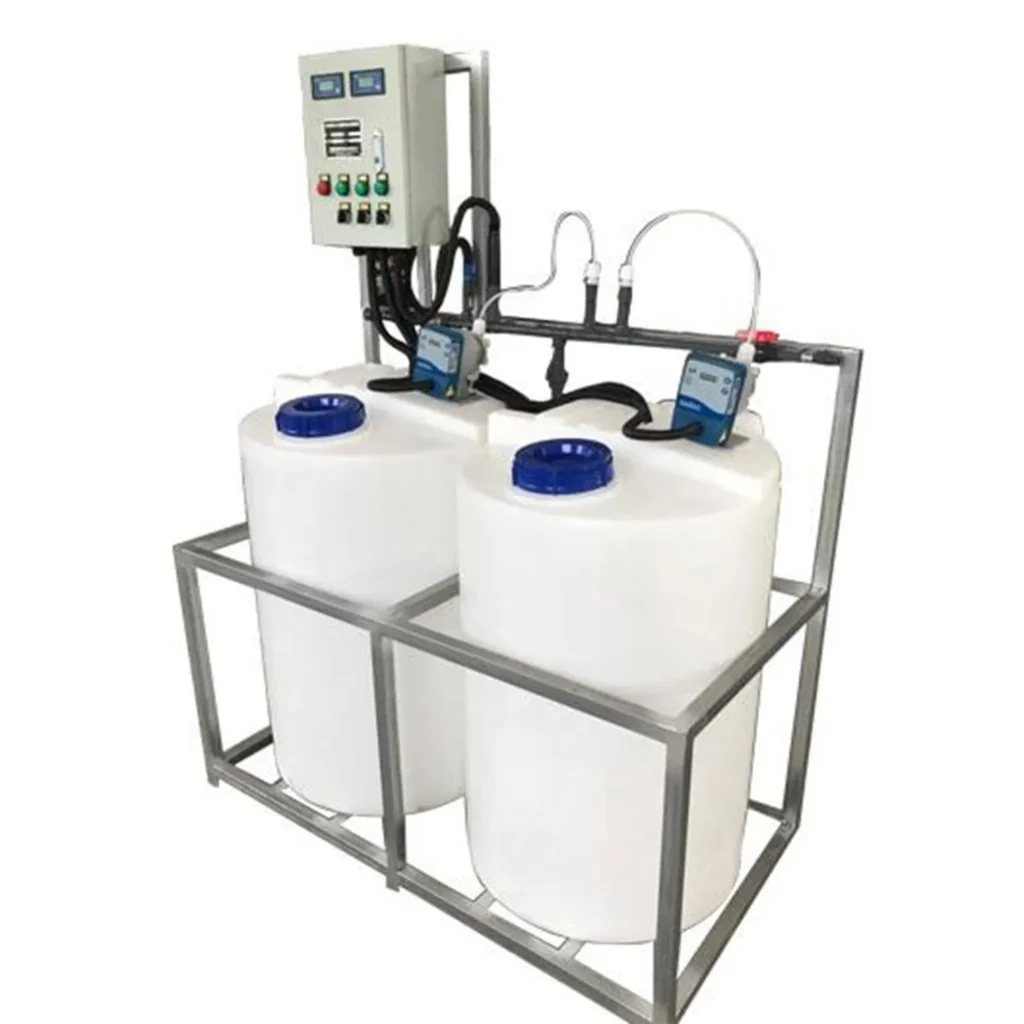
Our company provides high quality and stable products, including reverse osmosis system, sludge dewatering machine, mechanical grille, dosing device, electrical control cabinet, etc., our professionals will provide you with installation, commissioning, operation, and follow-up maintenance services to help you solve problems!


For inquiries about our products or pricelist, please leave to us and we will be in touch within 24 hours.
Yixing Shenghe Environmental Protection Co., Ltd.

IPv6 network supported


 +8617396866112