

 English

Mechanical Grate Maintenance Guide
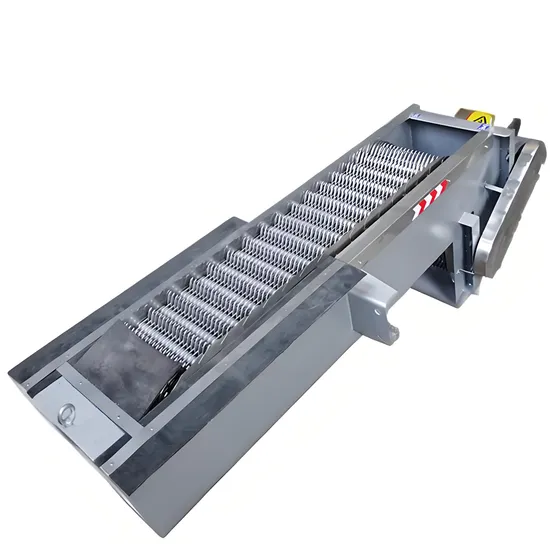
Mechanical Grate Maintenance Guide: The maintenance of mechanical bar screen is a crucial part of the daily operation of sewage treatment plant. Regular and correct maintenance can ensure the efficient and stable operation of bar screen, reduce the load and failure risk of subsequent process units.
The following is a detailed mechanical grating maintenance guide, covering daily inspection, regular maintenance, common faults and troubleshooting.
I. Daily inspection and maintenance:
• Operation status observation: Monitor the screen for abnormal impacts, friction, or squealing during operation. Inspect for unusual vibrations. Check if the rakes can effectively clear screenings to the conveyor or hopper without jamming or backflow (where waste is returned to the channel). Verify that the water level difference before and after the screen remains within normal range (typically <10cm). Excessive water level differential may increase operational load and impair water flow capacity.
• Structural inspection: Check whether the chain is loose, rusty, cracked or deformed. Check whether the tooth is deformed, broken or seriously worn. Check whether the bolts and nuts in key parts are loose.
• Lubrication inspection: check whether there is enough lubricating oil/lip, whether the seal is good and whether there is leakage in the bearing, chain and other parts that need to be lubricated.
• Electrical and control: Check whether the indicator light of the control cabinet is normal and whether there is any alarm information. Check whether the control device such as liquid level differential meter or time relay works normally. Check whether the temperature of the motor and reducer shell rises abnormally.
• Barrel cleaning: clean the barrel in the conveyor or bucket in time to prevent excessive accumulation of blockage or backflow.
II. Regular maintenance:
Develop a detailed regular maintenance plan according to the equipment operating instructions and operating load.
• Weekly: Thorough cleaning: After shutdown, thoroughly clean the entangled objects on the grating plates, rakes, chains and other parts. Lubrication replenishment: replenish lubrication for moving parts such as chains and steel cables. Check wear: carefully check the wear of rakes and brushes and record it.
• Monthly: Tightening inspection: Conduct a comprehensive check and tighten all bolted fasteners. Reducer inspection: Check the oil level in the reducer, and replenish or replace lubricant if necessary. Chain tension adjustment: Inspect and adjust the chain’s tightness to an optimal state. Safety device testing: Verify the effectiveness of safety features including overload protection and emergency shutdown mechanisms.
• Every quarter: Lubricant replacement: Replace lubricating oils for reducers, bearings, and other components. Comprehensive inspection of wear parts: Assess the condition of chains, steel cables, rakes, bushings, and other worn components to develop a replacement schedule. Sensor calibration: Calibrate level differential sensors or timers to ensure precise control.
• Annually: Comprehensive Overhaul: Conduct a thorough disassembly inspection of the grating, perform cleaning, and replace all worn-out components (including bearings, seals, chains, and rake teeth) that have reached their service life. Structural Anti-corrosion: Inspect corrosion conditions on structural elements such as frames and channels, followed by rust removal and anti-corrosion treatment. Motor Maintenance: Perform professional maintenance on the main motor and gearbox. Comprehensive Calibration: Conduct full-calibration checks for all control and measurement instruments.
III. Safety precautions:
• Locking in: Before any maintenance or cleaning work, the power must be completely cut off and a “do not close” warning sign must be hung at the power switch. This is the most important safety step!
• Slip and fall prevention: the well is slippery, work must wear anti-slip shoes, safety helmet, when necessary, fasten a safety belt.
• Harmful gas: hydrogen sulfide (H₂S), methane (CH₄) and other toxic and flammable gases may exist in the grate well. Forced ventilation and gas detection must be carried out before entering.
• Personal protection: when handling grid residue, it is necessary to wear cut-resistant gloves, protective glasses, waterproof clothes, etc., to prevent bacterial infection and sharp wound.
• Do not operate by hand: do not clean the foreign matter stuck on the grid directly with your hands, use special tools (such as iron hook, long pliers, etc.).
Summary: The maintenance of mechanical bar screens should adhere to the principle of “prevention first, combining prevention and treatment.” Establish detailed maintenance records that document each maintenance session’s time, content, identified issues, and resolution outcomes. These records prove invaluable for equipment management and predictive maintenance. Strictly following the manufacturer’s official manual is crucial to ensure proper and effective maintenance practices.
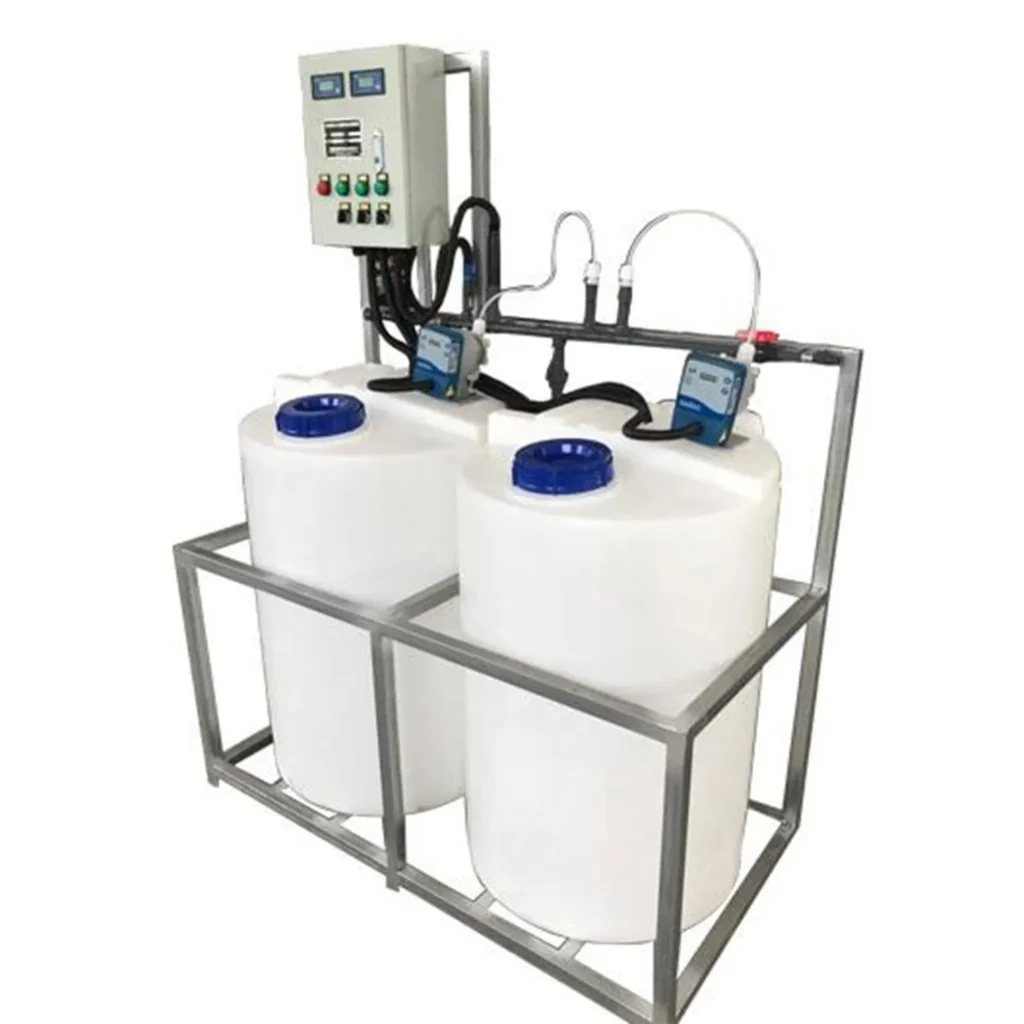
Our company provides high quality and stable products, including reverse osmosis system, sludge dewatering machine, mechanical grille, dosing device, electrical control cabinet, etc., our professionals will provide you with installation, commissioning, operation, and follow-up maintenance services to help you solve problems!


For inquiries about our products or pricelist, please leave to us and we will be in touch within 24 hours.
Yixing Shenghe Environmental Protection Co., Ltd.

IPv6 network supported


 +8617396866112