

 English

Sludge Belt Press Operation
Sludge belt press operation. We will explain in detail the sludge operation of the belt filter press. This is a set of standardized and procedural operations, usually divided into preparation, start-up, shutdown cleaning and daily maintenance.
Stage 1: Preparations before startup
• equipment inspection:
Filter belt: Check whether the filter belt is damaged, scratched or excessively worn. Check whether the tension of the filter belt is appropriate, not too loose or too tight.
Roller: Check whether all rollers can turn flexibly and whether there is sludge adhesion on the surface.
Rinse system: Check whether the rinse nozzle is blocked and ensure that high pressure water can be sprayed evenly to remove sludge on the filter belt.
Drainage plate: Check whether the drainage plate is intact, whether it contacts the filter belt evenly, and whether it can effectively scrape off the mud cake.
Lubrication: lubricating oil should be added to bearings, rollers and other moving parts as needed.
• Auxiliary system startup:
Start the air compressor to provide compressed air for pneumatic control.
Start the flushing pump to ensure that the flushing water pressure meets the design requirements
Phase 2: Start and run operations
• Air-load start-up: After confirming that the preparation work is complete, start the main motor of the belt filter press first to let the equipment run without load. Observe the running of the filter belt and check whether there is any deviation. If there is deviation, adjust it immediately with the correction device.
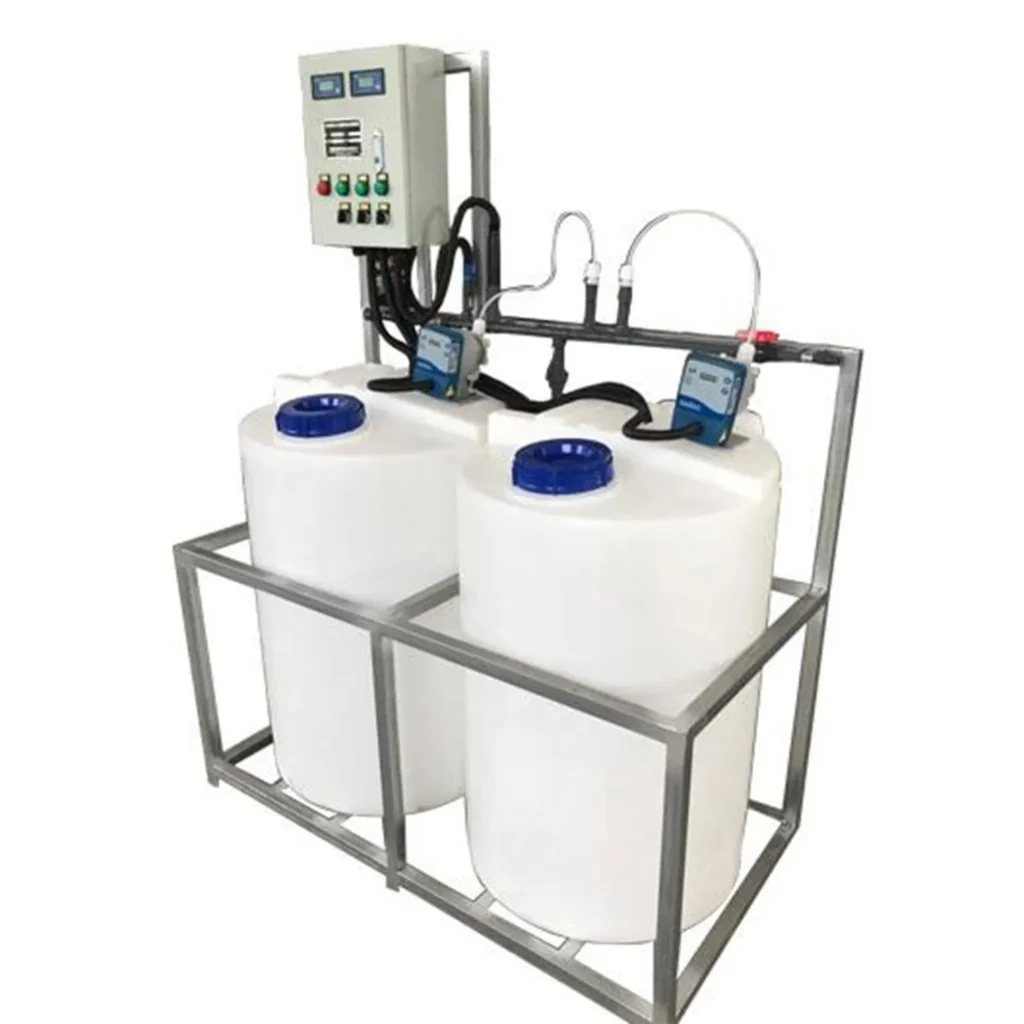
• Add reagents and sludge: Activate the flocculant preparation system (PAM dosing unit) to formulate the solution at the preset concentration. Start the sludge feed pump to transport the sludge into the sludge mixing tank (or mixer). Simultaneously activate the dosing pump to inject the PAM solution into the sludge pipeline or mixing tank in a predetermined ratio (to be determined through testing).
• Key: observe the flocculation effect. In the mixer, sludge and agent should be fully mixed to form large and dense flocs visible to the naked eye, and the separation of water and flocs is clear. This is the most critical step to determine the dewatering effect!
• Adjust the amount of mud into the machine: Adjust to the best amount of mud into the machine gradually according to the effect of mud out (mud biscuit) and equipment load. Do not suddenly increase the amount of mud into the machine, which will lead to mud running and incomplete filter pressing.
• Ongoing monitoring: Filter belt tension: Adjust the tension pressure according to the characteristics of the sludge cake and required dryness level. Higher pressure produces denser sludge cakes but increases energy consumption and accelerates belt wear. Filter belt speed: Aligns with the sludge feed rate. Faster speeds enhance processing capacity, though shortened dehydration time may result in slightly drier cakes. Alignment correction system: Continuously monitor belt movement to prevent severe misalignment damage.
Phase 3: Shutdown operation
• Stop feeding: First stop the sludge feed pump. Stop the dosing pump.
• Equipment Cleaning (Critical!): Keep the belt filter press running to continue filtering and discharging residual sludge from the filter belt. Maintain the flushing pump operational and thoroughly rinse all components including both sides of the filter belt, rollers, and sludge scrapers with high-pressure water until the rinse water becomes clear, ensuring complete removal of sludge residue.
• Full line shutdown: After confirming that the equipment is clean, close the main engine of the belt filter press. Close the flushing pump. Close the air compressor. Clean the site and record the operation data (such as operation time, amount of sludge processed, amount of medicine consumed, etc.).
Common problems and treatment:
• Filter belts misaligned
Reason: uneven surface of roller, insensitive correction roller, uneven mud intake, uneven tension or aging of filter belt.
Treatment: Adjust the correction device immediately; check the air pressure; check the roller; clean or replace the filter belt.
• Sludge overflows from both sides of the filter belt
Reasons: excessive amount of mud, poor flocculation effect (no formation of alum), too fast filter speed, too large gap between sludge scraper.
Treatment: reduce the amount of sludge; optimize the dosage of flocculant; reduce the speed of filter belt; adjust the scraper.
• The clay cakes are too wet
Reasons: poor coagulation effect; insufficient tension of filter belt; too fast speed of filter belt; insufficient pressure of flushing water leading to blockage of filter hole.
Treatment: Adjust the type or dose of PAM; increase the tension pressure; reduce the speed of filter belt; clean or replace the filter belt.
• Filter blockage
Reason: insufficient pressure/flow of flushing water; not cleaned completely after shutdown.
Treatment: Increase the flushing water pressure; manual or chemical cleaning of the blocked filter belt.
• Safety precautions
Operators should be trained. When the equipment is in operation, do not put your hands or tools into the roller and filter belt. The ground is slippery, pay attention to prevent falls.
In short, the operation of belt filter press is a process that requires constant observation, adjustment and optimization.
Previous :
Reverse Osmosis Vs OsmosisNext :
Step Screen Vs Bar Screen
Our company provides high quality and stable products, including reverse osmosis system, sludge dewatering machine, mechanical grille, dosing device, electrical control cabinet, etc., our professionals will provide you with installation, commissioning, operation, and follow-up maintenance services to help you solve problems!


For inquiries about our products or pricelist, please leave to us and we will be in touch within 24 hours.
Yixing Shenghe Environmental Protection Co., Ltd.

IPv6 network supported


 +8617396866112