

 English

Types Of Aeration In Water Treatment
Aeration in water treatment is a core process, its main purpose is to fill oxygen into the water, and at the same time, it plays the role of stirring, mixing, removing volatile substances, etc. Aeration types can be divided according to the equipment structure and aeration principle.The following are the main types of aeration and their details:
I. Classification by equipment structure and oxygenation mode.
This is the most core and common classification, mainly divided into two categories: wind aeration and mechanical aeration.
1.blast aeration:
In this way, air is transported through the pipeline to the aerator installed at the bottom of the aeration tank by the blower (air compressor). The air is released from the aerator in the form of small bubbles and completes the oxygen transfer by contacting with the water body during the upward process.
Core components: Blower: provides air source. Air delivery pipeline: delivers air to the bottom of the pool. Aeration (diffuser): key equipment that determines bubble size and oxygen transfer efficiency.
According to the size of the bubble, the blower aerator can be divided into:
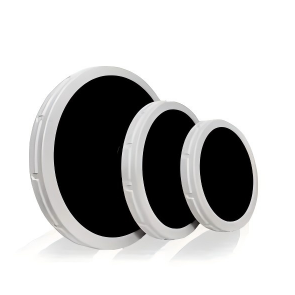
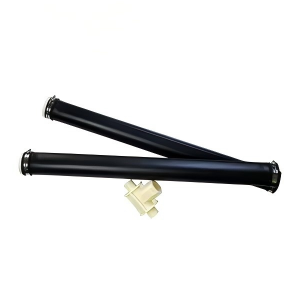
• Micro-pore aerators: Bubble diameter: Extremely fine, typically 1-3 mm. Materials: Primarily ceramic, rubber diaphragms, and plastic. Diaphragm-type micro-porous aerators are the most widely used, featuring pores that prevent clogging. Advantages: High oxygen utilization rate (typically over 20%-30%) and excellent energy efficiency. Disadvantages: Prone to clogging, requires high air purity standards, and necessitates filter installation. Types: Tubular aerators and disc-type aerators.
• Medium air bubble aerator: Bubble diameter: generally 3-10 mm. Material: often used perforated tube, plastic winding tube, etc. Advantages: not easy to block, simple maintenance. Disadvantages: low oxygen utilization rate (about 8%-15%), relatively high energy consumption.
• Air bubble aerator: Bubble diameter: Over 10 mm. Types: Single-hole jet aerators, large-diameter perforated pipes. Advantages: Resistant to clogging and delivers strong aeration. Disadvantages: Minimum oxygen utilization efficiency (approximately 4%-8%) and high energy consumption. Applications: Frequently used in scenarios requiring precise aeration or prone to clogging, such as sludge mixing operations.
2. Mechanical aeration:
This is done by a mechanical device (an aerator) that vigorously stirs the water near the surface, sucking air into the water and breaking it into tiny droplets to transfer oxygen.
According to the installation method, mechanical aerators can be divided into:
• Surface aerator (vertical shaft type): Working Principle: The motor drives the submerged impeller to rotate at high speed, creating a negative pressure zone at its core. This draws in air while lifting and propelling water outward, forming water jets that ensure thorough contact between water and air. Types: Pump-type impellers, inverted umbrella-type impellers, flat impellers, etc. Advantages: High oxygenation capacity, strong mixing capability, easy installation/maintenance, and clogging-free operation. Disadvantages: Prone to foam formation, requires high-grade corrosion-resistant materials, and splashing water may cause ice formation in cold regions.
• Diving aerator (horizontal axis type): Working Principle: The motor drives the submerged impeller through a gearbox, creating a low-pressure zone behind it. This draws air (either naturally or through an intake pipe) while propelling water flow, generating powerful axial thrust and mixing action. Types: Submersible thrust aerators, submersible centrifugal aerators. Advantages: Ensures uniform mixing, suitable for various pool shapes, especially channel-type pools like oxidation ditches. Disadvantages: Fully submerged equipment requires extremely high sealing and corrosion resistance standards.
3. Jet aeration:
Working Principle: The system utilizes high-pressure water generated by a pump to propel air through the nozzle of a jet ejector, creating negative pressure around the nozzle that draws in and mixes with the air. The resulting gas-water mixture undergoes intense mixing within the jet’s throat before being ejected at high speed through the diffuser tube, achieving oxygenation and agitation of the water body. Advantages: High oxygen utilization efficiency, effective mixing performance, and low risk of clogging. Disadvantages: Requires pumps and blowers (or self-priming air), involves a relatively complex system, and may result in higher energy consumption.
4. Other special categories:
Rotating Blade Aerator: A cutting-edge aeration system that employs a specialized structure to generate rotating bubbles, which break down into smaller droplets. This design extends aeration retention time and enhances oxygen utilization efficiency. Deep Well Aeration: Specifically engineered for ultra-deep aeration wells (reaching 50-150 meters), it harnesses the hydrostatic pressure from water depth to dramatically boost dissolved oxygen levels. While delivering exceptional performance, this advanced solution requires precise geological conditions and sophisticated construction capabilities.
II. Classification according to aeration function and application scenario.
1. Conventional aeration: Primarily used in mainstream aeration tanks of activated sludge processes, this method provides essential oxygen for microbial pollutant degradation.
2. Restricted aeration: In SBR (Sequential Batch Reactor) systems, aeration is applied exclusively during the reaction phase.
3. Delayed aeration: This technique features prolonged aeration durations and low sludge loading rates, forcing microorganisms into endogenous respiration and resulting in reduced sludge production.
4. Regulated aeration: Following the flow direction of the aeration tank, oxygen supply is progressively reduced as pollutant concentrations decrease, achieving energy efficiency through oxygen supply-demand balance.
Summary and comparison:
The selection of aeration type needs to consider the treatment scale, water quality characteristics, tank structure, energy consumption requirements, investment and maintenance costs and other factors. In modern sewage treatment plants, microporous blower aeration has become the most mainstream choice because of its high efficiency and energy saving characteristics.
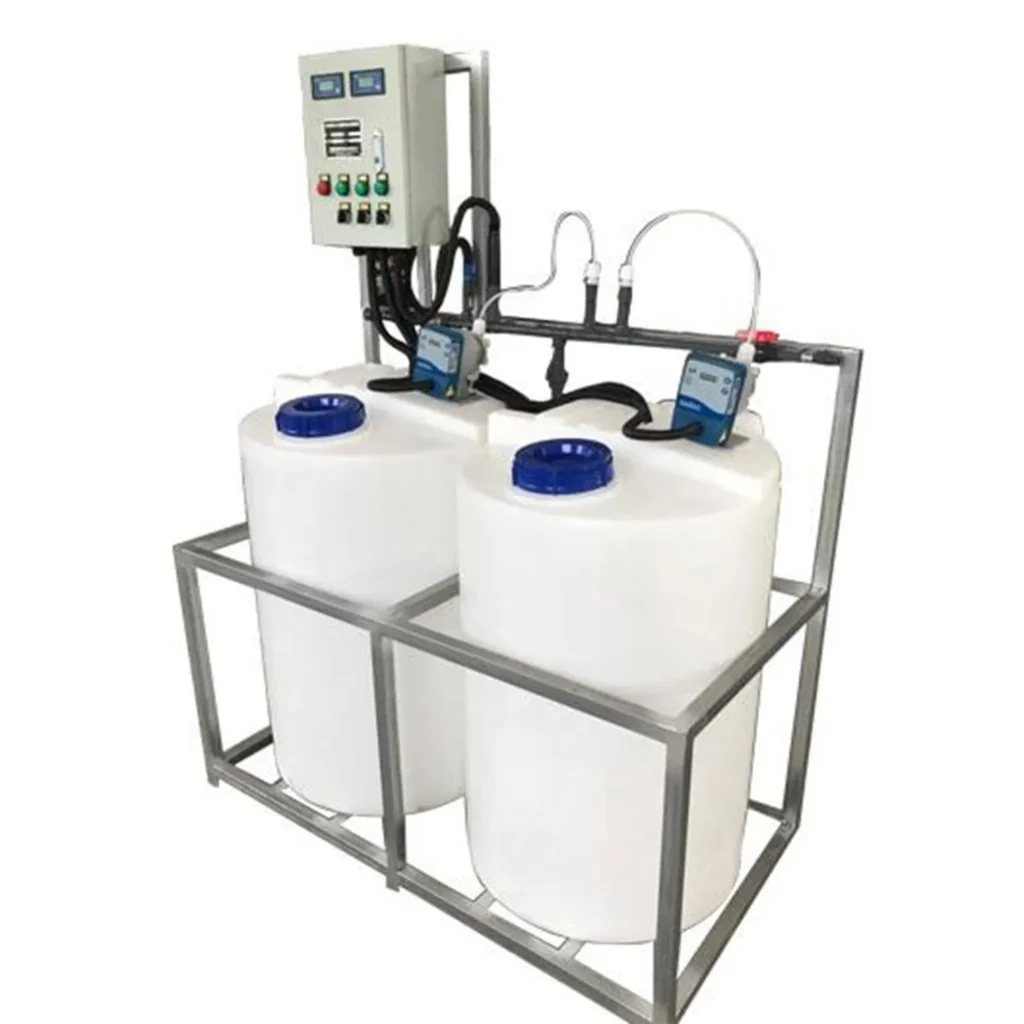
Our company provides high quality and stable products, including reverse osmosis system, sludge dewatering machine, mechanical grille, dosing device, electrical control cabinet, etc., our professionals will provide you with installation, commissioning, operation, and follow-up maintenance services to help you solve problems!


For inquiries about our products or pricelist, please leave to us and we will be in touch within 24 hours.
Yixing Shenghe Environmental Protection Co., Ltd.

IPv6 network supported


 +8617396866112